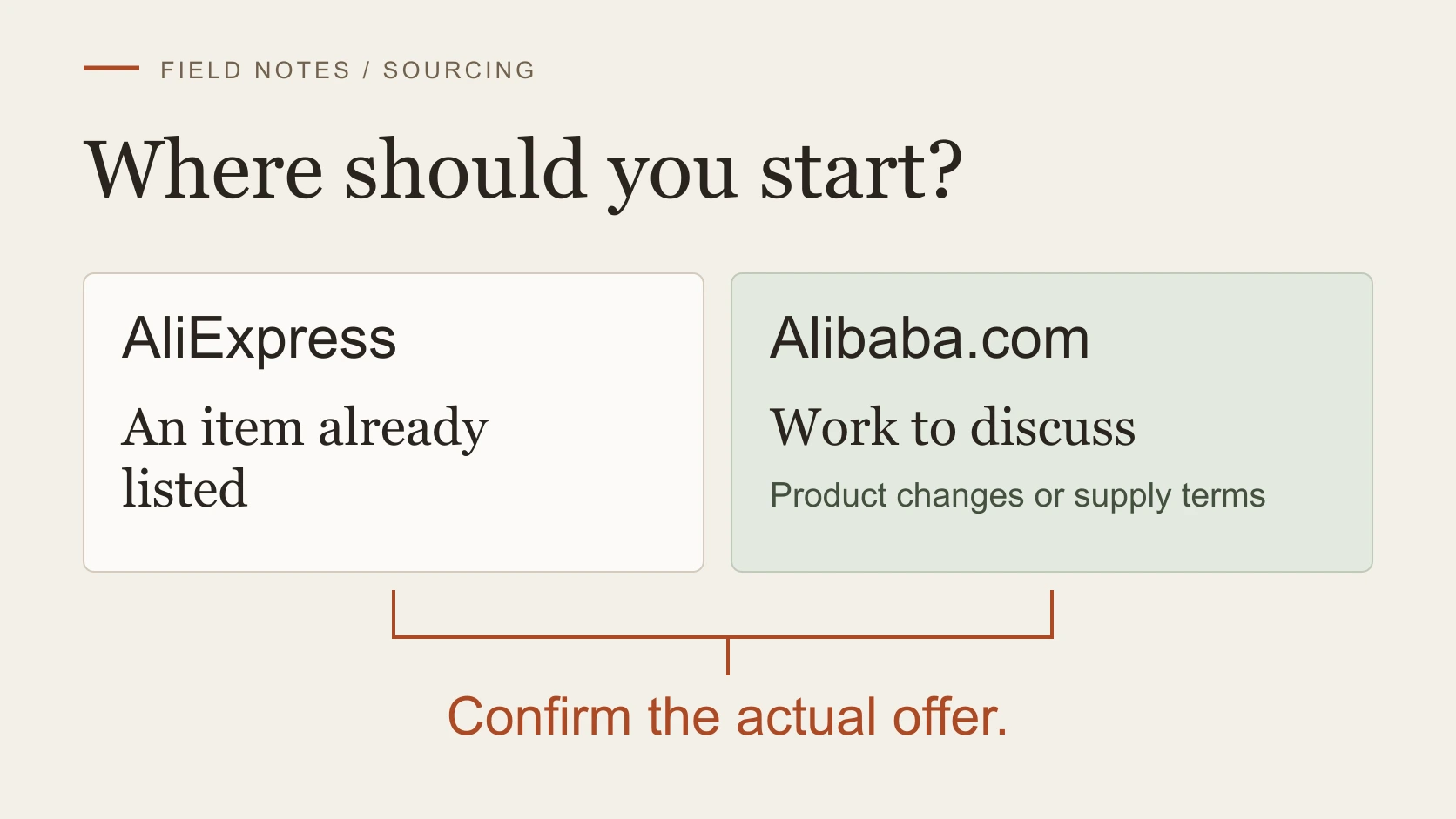
Start with AliExpress when a listing has the product and quantity you want to buy. Start with Alibaba.com when you need to talk through product changes, branding or regular supply. In either case, check that the seller can do the work your order needs.
Alibaba Group describes the difference this way: Alibaba.com serves business buyers, while AliExpress is a retail marketplace. Those descriptions give you a place to start looking.
Write down that work first. Buying a finished item, getting your design made and sending personalised orders to individual customers involve different questions. Use those questions when you read a listing or contact a supplier.
Start with what needs to change
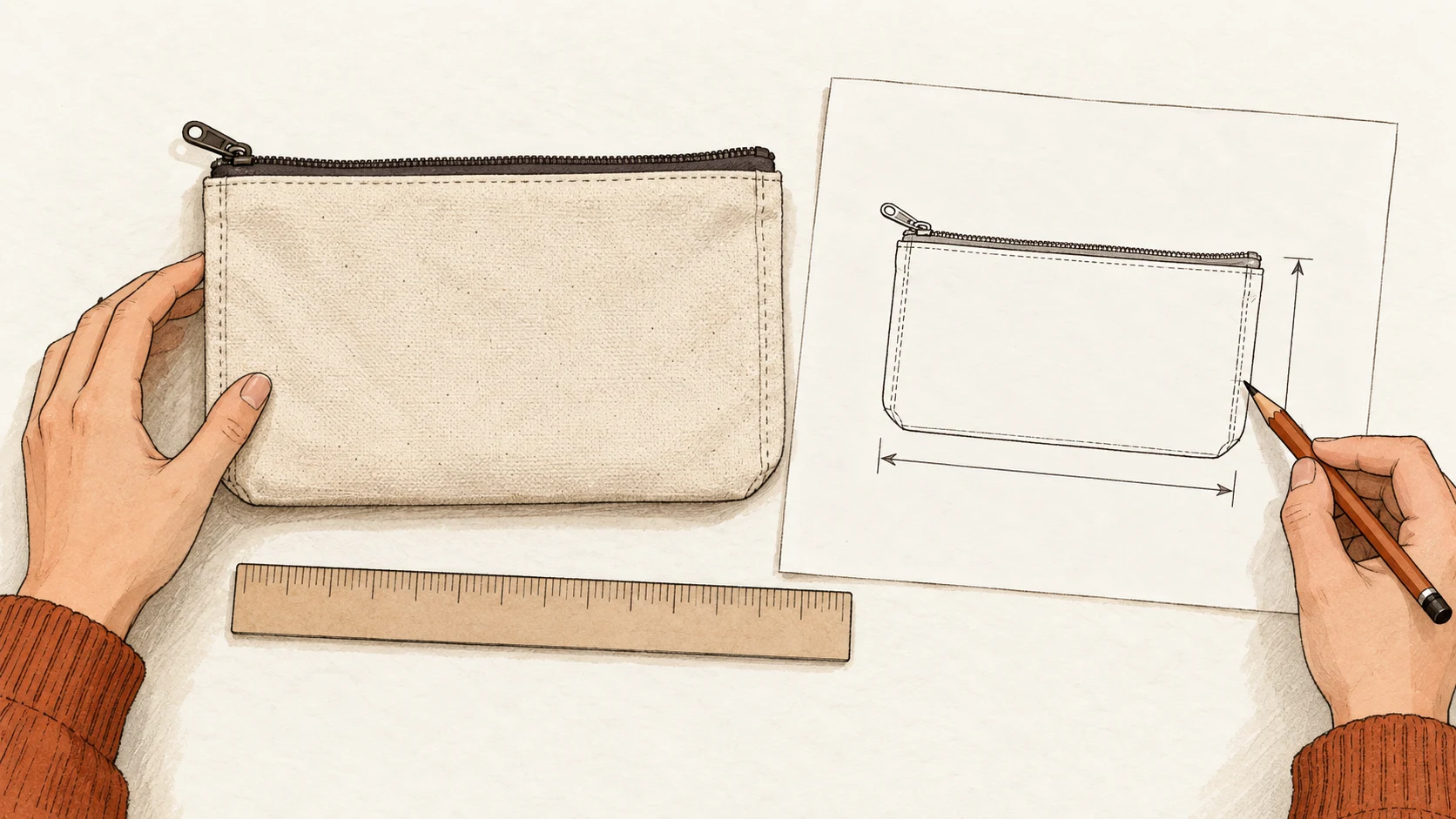
Keep the product reference beside you as you compare. Is the item already suitable, or does something have to change before you can sell it?
| What you need | Where to begin | What to confirm in the offer |
|---|---|---|
| An existing product, as listed | AliExpress is a starting point for a retail purchase. Alibaba.com also lists ready-made products. | The exact variant, quantity available to buy and delivery to your destination. |
| Changes to a product, including your design or branding | Begin with an Alibaba.com supplier enquiry. | Which changes are possible, the approval process, setup charges and any product or packaging minimum. |
| Different personalisation for each buyer | Assess the seller's process directly. | How each buyer's text or image reaches production, how errors are checked and how orders are dispatched. |
Alibaba.com's 2020 guide to the two platforms describes both ready-made and custom buying. Use that distinction to guide your search, then confirm what is offered now.
You also don't have to buy a retail version before asking about a custom product. If your design depends on a particular material, shape or printing method, discuss that requirement from the start. An unrelated finished item won't answer whether your design can be produced.
Separate the purchase from the dispatch
Being able to buy one item tells you very little about how the seller will handle your customer orders. You need to know who will prepare each parcel and send it to the right address.
First, ask what you need to buy or pay for before making a sale. Product stock, custom packaging and setup work may each have their own terms. Keep the amounts separate so you can see what you will owe upfront.
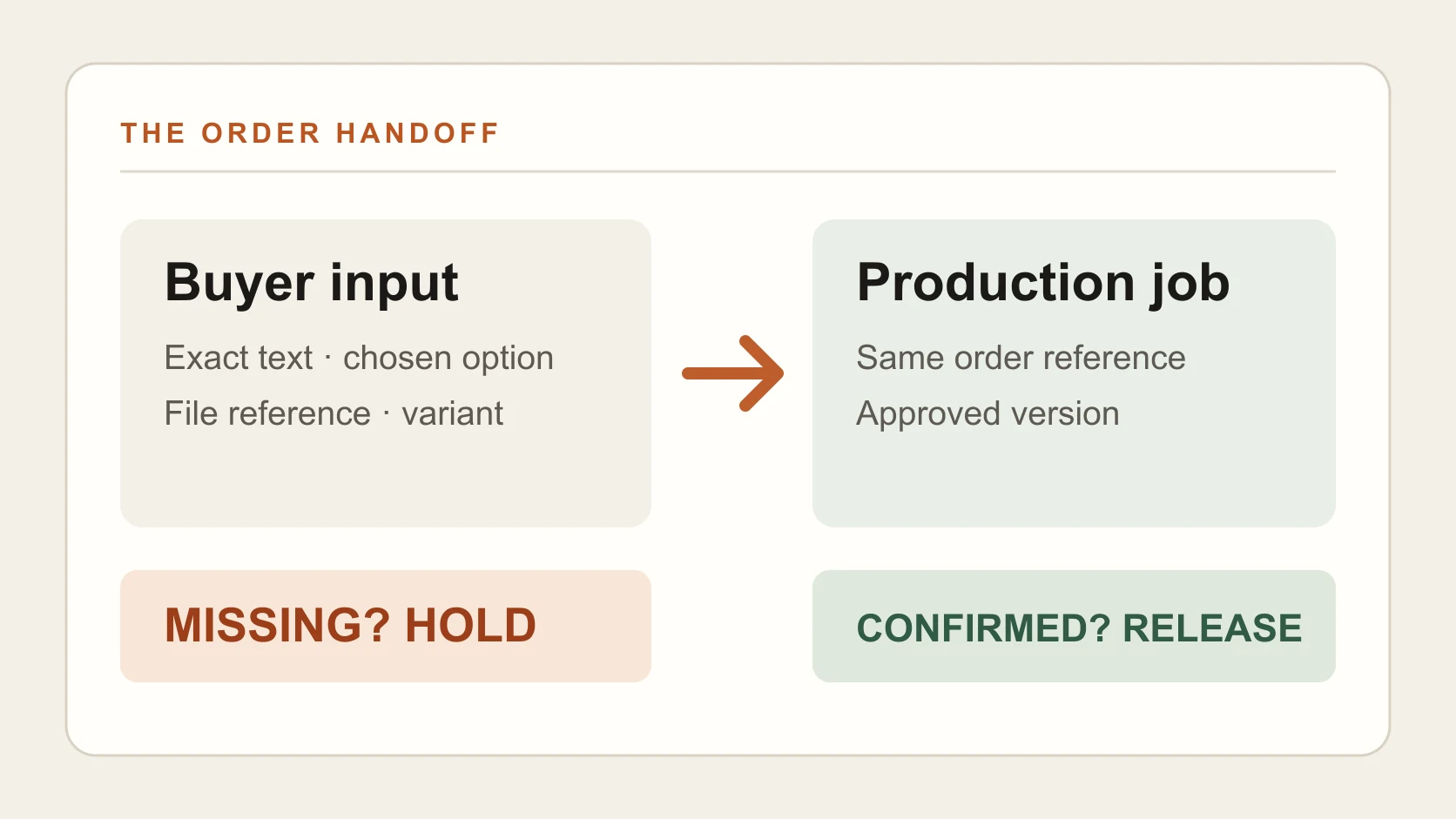
Then ask how individual orders will be handled. Who receives the buyer's details? Who checks any personalisation? Where will the parcel be sent?
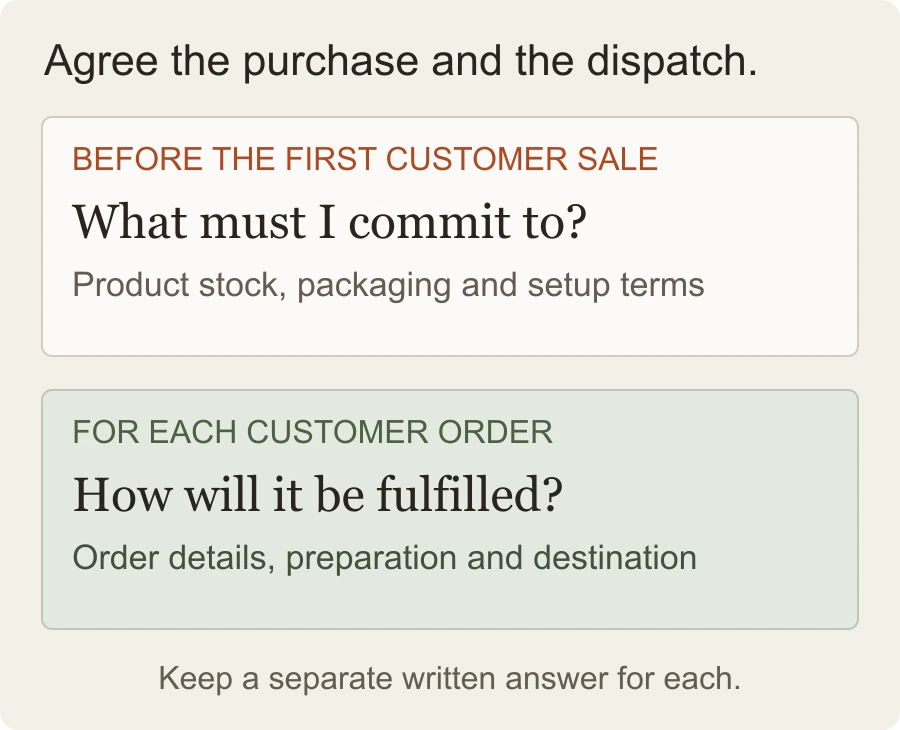
If individual dispatch matters to your business, get a written answer for that exact arrangement. Include how you will send order details, whether you must hold stock with the supplier and what happens when an order needs correcting. A general “we support dropshipping” reply leaves those details open.
Compare offers for the same job
A displayed item price may leave out work you still need. Keep the product, quantity and destination the same when you request prices, and ask each seller to state what is included.
For a custom order, confirm whether the quote includes the sample, setup, product changes and packaging. If the supplier will send each order to your customer, ask what preparing and shipping each parcel will cost. Record any charge that still needs confirming; don't count it as zero.
The supplier quote worksheet gives you a place to collect those answers. Use the completed quote to compare offers. Keep the initial listing price beside it only as a reference.
Check what the sample represents
Decide what you need the sample to prove before paying for it.
A retail purchase lets you inspect the item you receive. It doesn't approve a different seller's materials, customisation or production. Matching listing photos are not enough to establish that connection.
For work made to your specification, ask whether the sample will use the proposed materials and process. Record anything it will not show, including packaging that will be supplied separately. Note those limits alongside your approval, so the supplier can see what still needs checking.
Use the product sample checklist to document what passed, what needs changing and which version you approved. Keep that reference with the order.
Read the terms for the order you are placing
Before paying, make sure the order records the product and work you agreed. Save the specification, supplier replies and terms that apply to that purchase.
Alibaba.com's Trade Assurance process starts with an order agreement and payment through Alibaba.com. The platform describes support with resolving order problems. Check the applicable coverage and claim requirements before paying. Resolution will depend on the order and the terms that apply.
On AliExpress, inspect the delivery, return and dispute information for the actual purchase. If something important is unclear, resolve it before checkout. A general platform comparison cannot settle the terms of your order.
For Etsy sellers, there is a separate question: is the product eligible to sell? Etsy's Creativity Standards distinguish original seller designs made by production partners from items personalised with a buyer's unique text or image. For original designs made by a partner, Etsy requires the partner to be disclosed and the dispatch location to be accurate.
Check the rules for your category before sourcing. Buying from either marketplace, or adding a production partner to your shop, doesn't establish eligibility on its own.
Keep the answers with the quote
Keep one short record per offer. Beside each relevant requirement, add the answer, its status and a dated reference to the listing, quote or written reply. Use “confirmed”, “unavailable” or “unanswered” so an incomplete reply stays visible.
Tick each detail once you have confirmed it. Copy the blank record to save your answers.
Answer | Status | Dated evidence reference
Cross out the fields that don't apply. Choose the unanswered requirement that could change your choice and send that question to the seller. Keep the reply with the quote so you can check exactly what you agreed before paying.